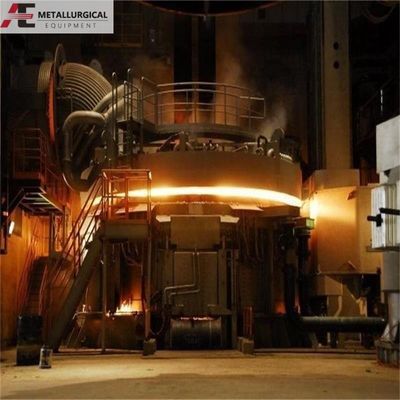
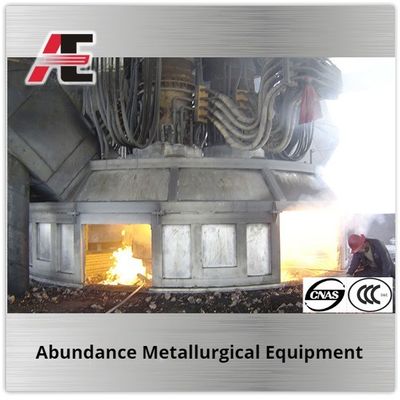
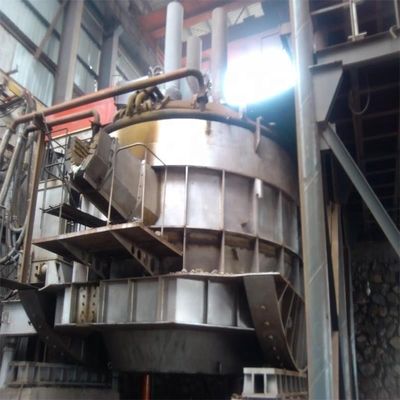
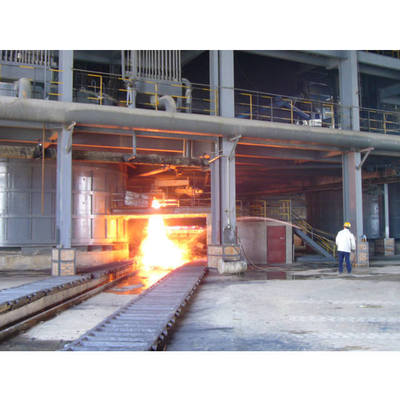
بهبود عمر کمپین کوره در کورههای قوس الکتریکی DC
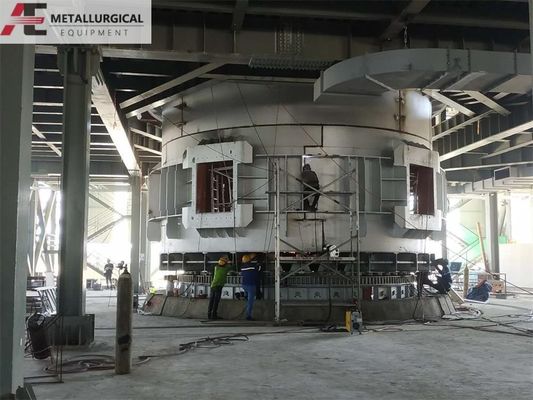
با توجه به روند رو به رشد تهیه مواد نسوز از طریق قراردادهای خدمات جامع و توسعه مستمر فولادسازی کوره الکتریکی، اتخاذ یک رویکرد یکپارچه برای مدیریت مواد نسوز برای کورههای قوس الکتریکی ضروری است. عمر مفید پوشش کوره نه تنها به طراحی و کیفیت مواد نسوز بلکه به رویههای عملیاتی، نگهداری سیستماتیک و مدیریت کلی فرآیند بستگی دارد.
نگهداری کوره فراتر از گرمایش اولیه، وصله زدن و نگهداری پوسته است - این شامل تداوم تولید، شرایط تجهیزات، انتخاب مواد نسوز، کیفیت مواد اولیه، طراحی فرآیند و سطح مدیریت علمی و تخصص عملیاتی است.
اقدامات عملیاتی زیر میتواند عمر کمپین کوره را به طور قابل توجهی افزایش دهد:
1.1 کنترل دمای تخلیه
دمای تخلیه از بالای 1630 درجه سانتیگراد به محدوده هدف 1620 درجه سانتیگراد ± 10 درجه سانتیگراد تنظیم شده است. محدودیتهای سختگیرانهای برای جلوگیری از تخلیه با دمای بالا، به ویژه برای حرارتهای بیش از 1650 درجه سانتیگراد اعمال میشود. در حال حاضر، میانگین دمای تخلیه از 1636 درجه سانتیگراد در ابتدای سال به 1630 درجه سانتیگراد کاهش یافته است، به طوری که نسبت حرارتهای با دمای بالا (دمای تخلیه ≥ 1650 درجه سانتیگراد) زیر 10٪ نگه داشته شده است.
1.2 کنترل محتوای کربن تخلیه
محتوای کربن تخلیه باید ≥0.06٪ باشد و حرارتهای با اکسیداسیون بیش از حد به شدت به حداقل میرسد. در صورت بروز اکسیداسیون بیش از حد، باید فوراً از بین بردن اکسیداسیون در کوره اعمال شود. برای گریدهای فولادی کم کربن (محصول نهایی ≤0.06٪)، یک فرآیند جدید برای کربن زدایی پس از تخلیه معرفی شده است. در نتیجه، میانگین محتوای کربن تخلیه از 0.05٪ در ابتدای سال به 0.071٪ افزایش یافته است و میزان سطوح کربن تخلیه قابل قبول اکنون از 60٪ فراتر رفته است.
1.3 مدیریت سرباره
از طریق ردیابی مداوم ترکیب سرباره، زمان و روش افزودن مواد کمکی مانند آهک و مواد اصلاح کننده سرباره بهینه شده است تا همبستگیهای موثری ایجاد شود. این تنظیم، همراه با عمل سرباره فومساز کامل فرآیند، به حفظ یک لایه سرباره محافظ بر روی دیوارههای کوره کمک میکند. مصرف مواد اصلاح کننده سرباره از 4 کیلوگرم بر تن فولاد در ابتدای سال به 5.8 کیلوگرم بر تن فولاد افزایش یافته است.
1.4 نظارت بر دمای الکترود پایین
دمای آب خنک کننده و جریان برای الکترود پایین در طول کل چرخه حرارت نظارت میشود:
- اطمینان حاصل کنید که فشار برگشتی در سیستم آب زیر 4.2 بار باقی میماند. اگر این مقدار تجاوز کرد، واحد تصفیه آب باید سیستم را شستشو دهد.
- جریان آب خنک کننده را برای الکترود پایین در ≥90 متر مکعب در ساعت حفظ کنید. اگر جریان به زیر این سطح کاهش یافت، فیلترها باید تمیز شوند.
- فوراً هرگونه هشدار دمای الکترود پایین را بررسی کنید. اگر علت مشخص نشد، کوره باید برای بازرسی کوره از مدار خارج شود.
- ردیابی و تجزیه و تحلیل منظم دادههای دما را از تمام 18 نقطه نظارت روی الکترود پایین انجام دهید.
- دمای آب خنک کننده در گردش را کنترل کنید. اگر از 38 درجه سانتیگراد تجاوز کرد، واحد تصفیه آب باید برای شروع خنکسازی هوا مطلع شود.
با اجرای این کنترلهای عملیاتی هدفمند، عمر کوره میتواند به طور قابل توجهی افزایش یابد و از تولید پایدار، کاهش هزینههای مواد نسوز و بهبود راندمان کلی فرآیند پشتیبانی کند.
ما یک تولید کننده حرفهای کوره الکتریکی هستیم. برای سوالات بیشتر، یا اگر به کورههای قوس زیر آب، کورههای قوس الکتریکی، کورههای تصفیه پاتیل یا سایر تجهیزات ذوب نیاز دارید، لطفاً دریغ نکنید با ما در تماس بگیرید.susan@aeaxa.com


 پیام شما باید بین 20 تا 3000 کاراکتر باشد!